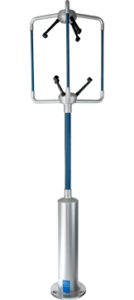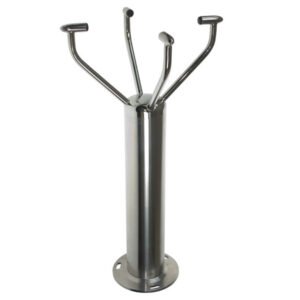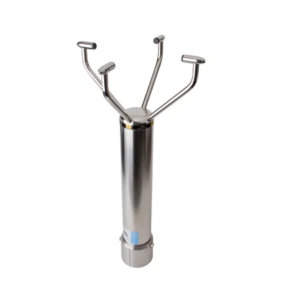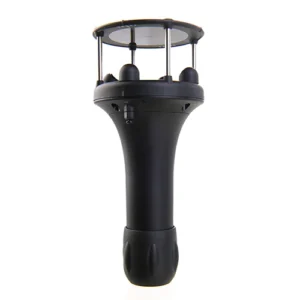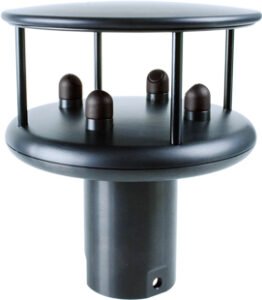
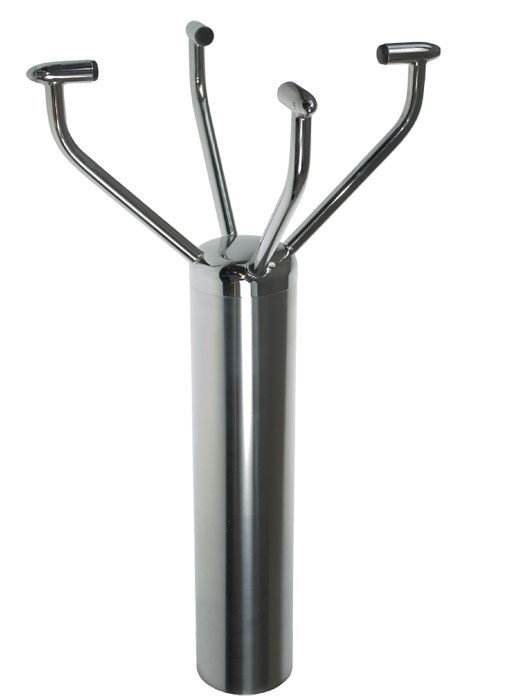
The WindObserver II is an advanced ultrasonic wind sensor engineered for applications that demand high reliability and precise wind data. Because it uses ultrasonic technology, the sensor operates with no moving parts. This design not only reduces maintenance needs, but also improves long-term durability. As a result, the WindObserver II is widely used in harsh industrial environments, marine operations, and transportation systems.
The sensor provides real-time measurement of wind speed and direction with excellent repeatability. Its rugged construction allows it to perform well in areas where mechanical sensors would struggle. In addition, the WindObserver II is resistant to vibration, corrosion, and continuous exposure to environmental stress. These characteristics make it suitable for offshore platforms, coastal monitoring stations, and airport applications.
To enhance flexibility, the WindObserver II supports a range of communication protocols. Users can integrate it easily into existing monitoring systems. Moreover, the sensor offers fast response times, which is essential for environments where wind conditions change rapidly. Because of this capability, operators gain a more accurate understanding of wind patterns and can react quickly to operational needs.
Another advantage is the sensor’s ability to remain stable across a wide temperature range. Whether installed in extremely cold regions or hot industrial zones, it continues to deliver consistent performance. Even in heavy rain or strong gusts, its ultrasonic technology maintains accuracy without the mechanical drag that affects traditional anemometers.
Overall, the WindObserver II brings together durability, precision, and integration flexibility. It is designed for organizations that require continuous, real-time wind monitoring without the risk of mechanical failure. Consequently, the device supports safer operations, more efficient decision-making, and long-term reliability.
Key Features
-
Ultrasonic measurement with no moving parts
-
Fast response and real-time wind data
-
Highly durable with corrosion-resistant construction
-
Designed for harsh and extreme environments
-
Wide operational temperature range
-
Flexible communication interface options
-
Low maintenance and long service life
-
Stable performance in strong wind, rain, and vibration
Advantages
-
Reliable in harsh conditions such as marine, aviation, and industrial sites
-
Zero mechanical wear, reducing maintenance costs
-
Accurate data delivery, even during rapid wind changes
-
Easy integration into monitoring and control systems
-
Consistent output across challenging climates
-
Improves operational safety and situational awareness